Monday, July 21, 2008

HOMEOWNER ASSOCIATIONS AND JUDICIAL MISCONDUCT

RE:
HONORABLE B.J. BJORK
Larson Justice Center
46-200 Oasis Street; Indio, CA

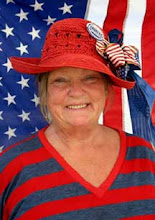
When I purchased my home in Shadow Crest Homeowners Association (HOA) in Cathedral City, California in 1996 I knew nothing about HOAs being entities that exist purely for the development, sale, and administration of residential real estate, and that every aspect of my life within the HOA would be governed by the association, and I certainly had no idea that what I had initialed at Closing was a binding adhesion contract with a private corporation and that I had surrendered my constitutional rights and civil liberties to the will and whim of the HOA, and its vocal and active, albeit minority of the board of directors, a management company, and, the all pervasive legal wolves who could snatch my home in non-judicial foreclosure with out ever going to court. It would be months later that I would come to truly understand that I did not even own my own property, but was only a shareholder in a non-profit corporation.

However, in my ignorance, the first few months were wonderful, and peaceful, and I loved my home.

When a drug family, related to a board member moved in across the street, I found little help from the HOA board, HOA attorneys, Wayne Guralnick, Kendal Berkey, Ron Green, Jeffery French, and Brian Moreno, my neighbors, the police, or the courts. Later I would discover that there is a well-grounded government system in place -- a type of shadow government -- that supports the the infrastructure of HOAs, rather than the people who live in them. The more I delved into the laws that regulated HOAs, and the more I tried to find some common ground for mutual communication, the more obvious it became that I was upsetting some sort of corporate boat that was not going to allow itself be rocked, and, would retaliate in the worst of ways against anyone who dare challenge them.


When I approached Assemblywoman Bonnie Garcia, she refused to help, and then provably conspired with Cathedral City, City Attorney, and my HOA board to drag me before judges, who handed them bogus, void-on -the-face restraining orders; orders with no judisdiction that did not meet legislative statatory, or case law to be granted. All to keep me out of meetings, surpress my writing of a newsletter, and even to try and keep me from making complaints to the police, or legislature. I was working on getting all of these orders dismissed, and in the process had made complaints against judges and commissioners for handing out these void judgments.

JUNE 8, 2006 I was falsely arrested while going into court to dismiss a void-on-the-face restraining order, by Riverside County District Attorney, Rich Twiss on a 422.6 (A) PC, Misdemeanor hate crime action. There was absolutlely no basis for this charge, and I was ont allowed to ask why I was being arrested. Twiss handcuffed me, refused to let me appear in court, and would not hear what I had to say; he literally marched me through the court house, to the HONORABLE B. J. BJORK, who imposed on me the excessive, unconstitutional, unreasonable bail of $500,000 -- on a unproven misdemeanor! The Eighth Amendment itself does not speak of any right to bail, but it does prohibit the imposition of excessive bail.

I asked Judge Bjork for release on my own recognizance (O.R.), and told him the order is void. In a most rude, and insensitive manner, Judge Bjork denied me O.R., and told me, You had better hope the order is void! and then he had me incarcerated in jail, where I was not allowed even a phone call until June 22, and remained for over a year, suffering much well-documented abuse. Ilost my home, thousands of dollars, my health, and my reputation.

MAY 23, 2008: I filed a complaint against B.J. BJORK with the California Commission on Judicial Performance charging him with recklessness, oppression, fraud and malice, and elder abuse in his actions against me.

BACKGROUND ON B.J. BJORK

MARCH 1994: Judge Bjork granted a judge's family member traffic school rather than have them answer for driving while not in possession of a valid driver 's license and a failure to appear. This was done again a second time based on a request by the same judicial colleague, which is contrary to Canon 2A of the California Code of Judicial Conduct, which provides that a judge should respect and comply with the law and should act at all times in a manner that promotes public confidence in the integrity and impartiality of the judiciary, and Canon 2B, which provides that a judge should not allow family, social, political or other relationships to influence the judge's judicial conduct or judgment, and that a judge should not convey or permit others to convey the impression that they are in a special position to influence them.

Judge Bjork consented to public admonishment.

FEBRUARY 1997: B.J. BJORK was the judge in an alleged fraudulent foreclosure sale of New York attorney George Harder's Palm Springs home by David Peters of Peters & Freedman. Some have reported that Peters has been selling the homes he forecloses to his long time associate Carlos Sosa, a lawyer in Los Angeles. Bjork denied George Harder 's request to postpone his trial to come from New York for the case in Riverside, California. Bjork held the trial without Harder and ruled for Peters & Freedman and Sosa. George Harder lost his home.

JUDGE, B.J. BJORK TODAY: Judicial Council Assignments for Riverside Superior Court: Judge B.J. Bjork, Retired, Superior Court, Riverside Assignment #TBD; June 9 through June 20, Dept. 1CI

The California Commission on Judicial Performance has promised an investigation.

I am filing a motion for dismissal of my case.


Tuesday, July 15, 2008

Post Traumatic Stress Disorder and Effects of Incarcertaion

The prison population in the United States is growing at a rate so rapid it has superseded the rate of incarceration in all industrialized nations. There are currently over 2.2 million people confined to the state and federal prisons of this country. One in thirty-two United States citizens are presently incarcerated, on probation or parole. (Bureau of Justice Statistics, 2003). Prisons are overcrowded and rehabilitative services are being eliminated from budgets regularly. The effects of overcrowding, correctional officer brutality, gangsterism, and vulnerability can lead to lasting psychological effects on an individual even after their release. Ex-convicts may experience anxiety, sleeplessness, inability to concentrate, emotional numbing, isolation and depression that are related to their prison traumas.


The events experienced by a person while they are incarcerated can be so traumatic that it can lead to post traumatic stress disorder. Treatment by correctional officers can increase an already high level of anxiety while incarcerated. There is an increase in the number of inmates being deprived rehabilitative programs and being abused physically, psychologically and emotionally by correctional officers. There is also an increase in the number of inmates who are being held in solitary confinement for extended periods of time. Extended periods in solitary confinement leads to sensory deprivation and increased psychological trauma.


An increase in the rate of incarceration as well as the implementation of harsher sentences has lead to the concern in regard to the long-term effects incarceration has on an individual. Dr. Stephen Richards, an Associate Professor of Criminology at Northern Kentucky University, has also served nine years in Federal prison. He has formed a group of ex-convict professors, together they have published books and journal articles, and have conducted research and studies on the effects of incarceration. They conclude, “Many still struggle with the guilt of surviving prison, while old friends are still incarcerated, and the pain they may have caused others, including their own families and loved ones. Some may suffer from post-traumatic stress disorder relating to remembering their former criminal activities and time incarcerated.” (Richards, 2001). During a telephone conversation with Dr. Richards he expressed to me that “the lack of rehabilitation will lead to a noted increase in the inability for ex-convicts to readjust to society after they are released. We will also see a dramatic increase in ex-offenders with clinical diagnosis such as PTSD.”


Many ex-offenders report victimization while they were incarcerated. Power and control issues often lead to violence by inmates and correctional officers. “When violence erupts in prison, oppression of violence justifies the abuse of offenders, albeit innocent bystanders or not.” (Mostert, 2003). Inmates who are more vulnerable often lack such things as the knowledge of prison societal rules and physical strength. They have a higher chance of being sexually abused by other inmates as well as correctional officers. Understanding and appreciating the complex human dynamics between staff and inmates gives insight into the issue of sexual misconduct in prisons. The ultimate power of the correctional staff can lead some unethical staff to engage in sexual misconduct. Prison is a very sexualized environment. The inability for one to express their natural sexual desires is abnormal. This leads to an unsatisfied libido and an increase in sexual frustration. The two most prominent reasons for correctional officers being terminated or placed on disciplinary leave is the introduction of contraband into the facility, and sexual misconduct with an inmate or another officer on facility property. (American Correctional Association, 2002)


A typical adult has the ability to make general decisions such as what time to eat and whether or not they would like to turn the lights off in a room. When stripped of these basic rights some may become agitated and aggressive. This may lead to them seeking other means of obtaining a sense of control, in turn leading to victimization of other inmates. Once released the ability to make these simple decisions can be extremely overwhelming. “Ex-convicts may experience unexplained emotional reactions in response to stimuli that are psychologically reminiscent of the painful events that occurred during incarceration. Some may relive especially stressful or fear-arousing events that traumatized them during incarceration.” (Craig Haney, 2002)
Limited contact with family members and other loved ones reduces inmate morale. Correctional officers use threats of taking away such things as telephone and visitation privileges as well as placement in solitary confinement as a way of controlling inmates. A fear of being unable to have contact with loved ones, or being held in segregation can lead to adverse reactions and outburst by some inmates as well as giving into inappropriate demands of officers and by other inmates. Correctional officers in some facilities can issue “tickets” to inmates for things such as not shaving or tucking in a bed sheet appropriately. These “tickets” can lead to loss of good time and directly effect an inmates release date. Thus the struggle of power and control becomes a daily ritual.


Judith Herman M.D. has suggested a new diagnostic category termed “complex PTSD”. “This diagnosis would be used to describe the trauma-related syndrome that prisoners are likely to suffer in the aftermath of their incarceration” (Craig Haney, 2002). She feels that this specific diagnosis is a direct result of “prolonged, repeated trauma or the profound deformations of personality that occur in captivity.” (Herman, 1992).


Terrence T. Gorski is considered an expert in substance abuse, mental health, violence and crime. Through clinical consultation work with the criminal justice system and incarcerated prisoners he conceptualized Post Incarceration Syndrome (PICS). “The Post Incarceration Syndrome is a set of symptoms that are present in many incarcerated and recently released prisoners that are caused by being subjected to prolonged incarceration in environments of punishment with few opportunities for education, job training, or rehabilitation. The symptoms are most severe in prisoners subjected to prolonged solitary confinement and severe institutional abuse.” (Gorski, 1999) The symptoms of PICS include: institutionalized personality traits, post-traumatic stress disorder, antisocial personality traits, and social-sensory deprivation.


Those ex-offenders with PICS have a higher rate of relapse related to substance abuse and mental health disorders as well as recidivism. “The effect of releasing this number of prisoners with psychiatric damage from prolonged incarceration can have a number of devastating impacts upon American society…” (Gorski, 1999). Gorski states that PICS is a direct result of the policies and procedures of the criminal justice system and can only be reduced by a change in the length of sentences and punitive environments the inmates are subjected to. Such changes should include converting most federal and state correctional facilities into rehabilitative program with education, vocational, substance abuse and mental health programs, leaving only a small number of super-max type facilities for the most dangerous offenders. This should also include pre-release programs to assist offenders with transitioning back into the community. The programs should be staffed by professionals with the knowledge, and experience to evaluate the offenders' needs and implement the appropriate treatment plans.


Funding for education and child welfare has been cut drastically across the nation. While in Florida alone, Governor Jeb Bush has recently taken $65 million from reserves to fund the construction of more prison facilities. At the same he has cut all educational and drug treatment programs in these institutions. It seems to me that the prison system in this country is becoming more of a business than a system of corrections. Many wealthy Americans have invested in stocks such as Corrections Corporation of America, a private prison company. They have also invested in the companies that provide contracted medical and food services to state facilities such as Aramark Food services in Florida. Long-term incarceration therefore becomes beneficial to them financially.


We should all be concerned with the effects incarceration has on an individual. Last year approximately 800,000 inmates were released back into the community. Close to 90% of all inmates will one day be released back into the community and be our neighbors. If they are denied the basic skills needed to function in society and stripped of their self worth, what kind of neighbors will they be? Harsh sentences and the “lock them up and throw away the key” theory is not working. We, as citizens, are responsible to ensure the mental health of our population. By ignoring the need for change in the criminal justice system we will not resolve these problems. If we continue to ignore the effects of incarceration we will continue to see an increase in the number of Americans in need of social services. Incarceration affects the families of 2.2 million people in this country. The families and children of inmates are subjected to the direct effects that incarceration has on their loved ones. As PTSD is more widely recognized and addressed and more ex-offenders are diagnosed with the disorder, I hope to see a change in the structure of the criminal justice system in this country.


Thursday, June 9, 2005 America's Newest Subculture: The InnocentBy Meaghan O'Neill
After Innocence" explores the post-incarceration lives of men who were wrongly convicted of crimes and set free, only to find themselves with no support, no money, and still carrying a criminal record for a crime they didn't commit. On November 6, 2002, Scott Hornoff walked out of the Rhode Island Adult Correctional Institution a free man. After six years, four months, and 18 days in a maximum security prison, he was free to drive a car, play with his three sons, and kiss his girlfriend. But unlike any other prisoner who might have been released that day, Hornoff was not entitled to the financial help, employment services, or even parole officers that former inmates are given. Why? Because Scott Hornoff did not leave jail a guilty man who had served his time. He left as a man who had been exonerated for a crime for which he'd been wrongfully convicted.


In 1996, Warwick police detective Scott Hornoff was convicted of murdering a woman with whom he'd had a brief affair. The case, as many Rhode Islanders will remember, was a news media blockbuster. Hornoff was 33 years old at the time of the conviction, with a pregnant wife, two young sons, and a heap of bum luck. (The murder had taken place seven years earlier, when Hornoff was just 26.) And though the mystery of the murder of Vickie Cushman has since been cleared up — former boyfriend Todd Barry eventually confessed in 2002 — life for Scott Hornoff and his family has not.


One of eight stories featured in the documentary film "After Innocence," which screens at the Newport International Film Festival on Saturday, Hornoff's is one of many that has slipped through the cracks of our legal system. Directed by Jessica Sanders, the film explores the difficult post-incarceration lives of men who were wrongfully accused and convicted of rape, murder, burglary, kidnapping, and other horrific crimes. With the help of the Innocence Project, a non-profit legal clinic and criminal justice resource center that works to exonerate the wrongfully convicted, these men have been freed from their physical chains. The weight of the world, however, continues to shackle them.


"The number one problem is that they're not provided for after they get out," says Sanders, whose heartfelt film took the Special Jury Prize at the Sundance Film Festival. "Guilty people get support, but exonerees get nothing." With no job, no money, and criminal records that haven't been expunged, the men struggle to reenter society, find jobs, and raise families. Struggling with their very manhood, they've got their freedom, but have no lives. And sadly, the justice system seems unwilling to help them out.


"Monetary support would be very helpful. But the most simple thing would be an apology," says Sanders, whose documentary short "Sing!" was nominated for an Oscar in 2002. "It's a huge part of the healing process." Unfortunately, prosecutors, judges, juries, and reporters seldom provide one. "I'm still in a position where I can't provide the way I'd like for my family," says Hornoff, who is owed more than $500,000 in back pay, according to Superior Court, which also ruled that he be reinstated on the police force. The City of Warwick, however, has filed a suit against the order, leaving Hornoff in limbo. And even if he eventually gets the money, after taxes, legal fees, and alimony, there'll be little left to start a new life.


"I want to give my kids so much — everything they deserve," says the soft-spoken Hornoff, who divorced while in prison, remarried in 2003, and is expecting a baby girl with wife Tina in September. For a former cop with a B.S. in Administration of Justice from Roger Williams University, who is currently working on his master's degree in Criminal Justice through an online program at Boston University, and who isn't a felon, one would think pounding the pavement might not be too difficult. But Hornoff, who now suffers from post traumatic stress disorder, has been looking for a job for more than two years. And even though he thinks most people understand that he's not guilty and never was, he still feels a strong "undercurrent of negativity" in his community.


In a way, this isn't so surprising, because for the men in "After Innocence," exoneration doesn't mean a fresh start, or even a clean record. Most exonerees have been waiting years for their records to be expunged. That means they that when they fill out a job application, they still have check "yes" in the box that asks if they've been convicted of a felony. Despite exoneration, the system continues to fail them. And according to the Innocence Project, at least one percent of all prisoners in the U.S. corrections system are innocent — that's at least 22,000 people. The Innocence Project, which took on Hornoff's case in 2001, primarily works on cases where conclusive post-conviction DNA testing proves convictions wrong. A decade ago, DNA testing was still in its infancy. But despite the fact that evidence is often lost or not preserved, the Innocence Project has helped exonerate more than 150 people.


In Hornoff's situation, white lies, timeline discrepancies, a flurry of circumstantial evidence, a botched police investigation, and persuasively negative local media all fell on the wrong side of his luck. And in 1996, seven years after the murder of Vickie Cushman, when Hornoff was being tried, DNA testing was barely being used. After the Innocence Project got involved, Hornoff's case was the first post-conviction DNA case to be brought forth in Rhode Island. (His conviction, however, was eventually overturned due to Barry's confession.)


While he looks forward to rebuilding his life, Hornoff, who will attend the Newport screening this week, knows he still faces an uphill battle. His past inextricably affecting his future, he's quiet, with a spirit that's been damaged, to some extent, beyond repair. As a man who spent six years wrongfully incarcerated, Hornoff speaks more with caution than expectation. "It can happen to anybody and it does every day. Exonerees are America's newest subculture." Despite his grievances, for Hornoff, who decided at age 12 to become a cop, justice still reigns supreme. His faith in the justice system, however, certainly does not. Though he'd like to be a cop again, he doesn't think he could ever accuse or arrest anyone for a crime unless he saw it committed himself. "I'm still pro-law enforcement, but I realize now how much we need to protect the innocent